Yes. A plywood supplier can customize face veneers by species, thickness, grade, cut, grain pattern, color range, jointing method, sanding level, and surface finish. Decorative veneers commonly range from about 0.2 mm to 0.6 mm, although thicker faces can be specified for sanding or machining. A buyer can request oak, birch, walnut, ash, beech, maple, or other available species with rotary-cut, quarter-cut, crown-cut, or rift-cut patterns. For European orders, specifications may also include EN 314 bonding performance, EN 13986 construction-product requirements, FSC® Chain of Custody, and Regulation (EU) 2023/1115 documentation. Customization is practical when appearance tolerances, sample approval, MOQ, and batch control are agreed before production.
Face veneer is only one layer of a plywood panel, but it can determine most of what the buyer sees after installation. A standard 18 mm furniture panel may contain several cross-laminated veneers, while the decorative face can be below 1 mm. Changing that thin layer can alter grain direction, color, sanding allowance, finishing behavior, and the price of the finished sheet without changing the nominal panel thickness.
A supplier therefore needs more information than “18 mm oak plywood.” A usable purchase specification would normally state 18 mm finished thickness, 1220 × 2440 mm panel size, oak face, veneer thickness, cut type, front and back grade, permitted repairs, core material, glue class, sanding requirement, moisture target, packaging, and quantity. A 2026 purchase order containing those fields is much easier to inspect than an order based on a photograph alone.
Natural veneer thickness is often one of the first items to agree. Decorative faces around 0.2–0.3 mm can reduce consumption of expensive species, while approximately 0.5–0.6 mm gives the processor more material for sanding. Thicker faces may also be requested where furniture components will be machined after pressing, although the practical range depends on species and factory equipment.
The supplier should state whether veneer thickness is measured before pressing or on the finished board. Heat, pressure, sanding, and veneer compression can reduce the final thickness. A difference of only 0.1 mm matters when a nominal 0.3 mm decorative layer receives aggressive calibration sanding, because removing another 0.1 mm would consume about 33% of that nominal thickness.
Cutting method changes appearance even when the tree species stays the same. Rotary cutting produces broad continuous sheets and usually makes efficient use of the log. Crown or plain slicing gives the familiar cathedral pattern found in many oak panels, while quarter cutting produces straighter grain. Rift cutting is often specified for a more uniform linear oak appearance but normally uses the log less efficiently than rotary production.
Visual grade needs the same level of definition. Terms such as “A grade,” “premium,” or “furniture grade” are not enough when two factories use different internal grading rules. An order can instead define the maximum number and diameter of sound knots, repaired areas, splits, discoloration, sanding marks, glue bleed, and open defects allowed on a 1220 × 2440 mm face.
A practical specification might read:
-
Face: European oak, crown cut, approximately 0.5 mm before pressing
-
Panel: 18 × 1220 × 2440 mm
-
Surface: sanded, ready for staining
-
Open splits: 0 permitted on the face
-
Patches: 0 visible patches on the decorative face
-
Grain direction: parallel with the 2440 mm panel length
-
Inspection: 100% visual check under agreed lighting before packing
The figures should come from the buyer's actual product requirement rather than being copied from a generic grade sheet. A cabinet interior and a hotel wall panel do not need the same visual standard, even when both are made in 2026 from oak-faced plywood.
Color selection becomes more demanding when several panels sit next to each other. Natural wood cannot be held to the same visual uniformity as printed laminate because individual logs contain differences in heartwood, sapwood, mineral marks, pore structure, and tone. Suppliers can reduce variation by sorting veneer leaves before jointing and reserving material from one veneer lot for one project.
For a wall containing 100 adjacent panels, random selection from several veneer lots can create more visible contrast than using 100 panels manufactured from one controlled lot. Buyers can therefore approve a physical range sample rather than one unusually perfect board. The approved set can include the lightest acceptable face, the darkest acceptable face, and one representative middle sample.
Matching method adds another specification layer. Book matching opens consecutive veneer leaves like pages of a book and creates a mirrored grain. Slip matching keeps neighboring leaves in the same orientation. Random matching reduces the deliberate repeating pattern and can suit applications where a less formal natural appearance is wanted.
A buyer should also define how veneer leaves are joined. Poor jointing can leave gaps or overlapping edges after hot pressing. On a 2440 mm-long decorative panel, even a narrow joint defect may remain visible after clear coating, so factories making architectural or furniture plywood often inspect joint lines before pressing and again after sanding.
The following comparison shows why “custom veneer” should be broken into measurable purchasing fields rather than treated as one option:
| Specification | Typical choice | Purchasing effect |
|---|---|---|
| Face thickness | 0.2–0.6 mm decorative range | Changes sanding allowance and veneer consumption |
| Cut | Rotary, crown, quarter, rift | Changes grain appearance and material yield |
| Matching | Book, slip, random | Changes continuity across the face |
| Panel size | 1220 × 2440 mm or project size | Affects veneer layout and press planning |
| Inspection | Sample-based or 100% visual | Changes sorting and QC workload |
| Repeat order | Same lot where available | Helps control appearance between batches |
Customization also affects minimum order quantity. If the factory regularly stocks birch or oak veneer, a trial order may be easier to schedule than a request for a rare species, unusual cut, and narrow color range. Special veneer often has to be purchased in complete bundles, and the usable quantity after grading may be lower than the purchased quantity.
The cost difference is not limited to the price per square meter of veneer. Sorting, trimming, stitching, jointing, rejected leaves, sample production, press scheduling, sanding, and inspection add labor and material use. If a hypothetical order requires 1,000 acceptable faces and a strict appearance specification causes a 10% rejection rate during sorting, the supplier needs materially more input veneer than a specification accepting nearly all available leaves.
That is why two quotations for “oak plywood” may not represent the same product. One quotation can use a thin commercial oak face with natural color variation, while another includes 0.5 mm selected veneer, controlled grain, no visible patches, and 100% final visual inspection. Buyers should compare the specification attached to the price rather than the species name printed on the quotation.
Surface preparation has similar effects. A raw face intended for paint has different requirements from walnut intended for clear lacquer. Veneer for staining should be tested after sanding because sanding scratches, glue penetration, and density differences become easier to see once pigment or stain is applied. A 5-panel pre-production sample is more informative than approving one small veneer swatch because the full panel shows joints, grain distribution, pressing marks, and overall color range.
For products used in regulated markets, face appearance should be separated from panel compliance. EN 314-2 covers plywood bonding quality and identifies service classes, while EN 13986 applies to wood-based panels used in construction within its scope. FSC Chain of Custody requirements cover sourcing, processing, identification, and sale of FSC-certified forest-based materials; FSC certificates are normally issued for a 5-year period with annual surveillance audits.
European importers also need to consider Regulation (EU) 2023/1115, commonly called the EUDR, when covered wood products enter the EU market. Compliance documentation and traceability requirements are separate from veneer grading, so an attractive face does not replace origin and supply-chain records. Buyers working with plywood in 2026 should therefore confirm both the visual specification and the documentation required for the destination market.
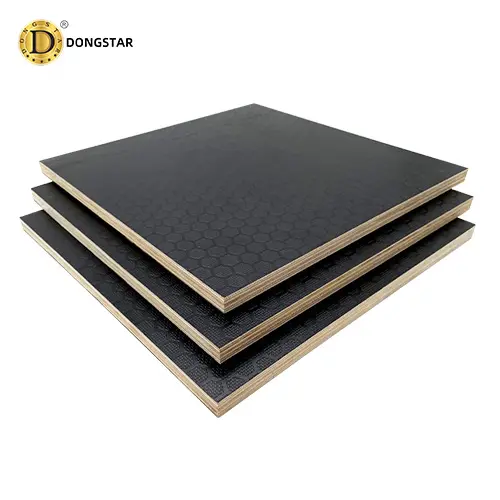
The same purchasing discipline applies to Film Faced Plywood, although the exposed layer is normally a resin-impregnated film rather than a decorative natural wood face. Film weight, overlay quality, bonding, core construction, edge sealing, and repeated concrete-forming use matter more than decorative grain, while panel thickness and dimensional tolerances still need written agreement.
Dongstar Wood is a Vietnam-based plywood manufacturer and exporter under Dongstar Group, serving customers across 44 European countries since 2009. We specialize in commercial plywood, film faced plywood, construction plywood, birch plywood, furniture plywood, and customized plywood solutions.
Backed by CE 2+, FSC®, EUDR, DOP, and SEDEX (BSCI) certifications, we meet European standards for quality, sustainability, and compliance. With over 15 years of manufacturing and export experience, we support importers, distributors, furniture manufacturers, and construction companies with reliable plywood supply and OEM/ODM solutions.
Sample approval should take place before the production quantity is released. For an order of 2,000 sheets, approving only a digital photograph leaves too much room for differences in lighting, camera processing, monitor settings, and subjective color descriptions. A physical control panel, veneer sample set, or signed production sample gives the buyer and factory a common reference during manufacture.
Repeat orders need separate planning because natural timber changes from log to log. A panel supplied in 2025 cannot be assumed to match a new 2026 batch simply because both purchase orders say “natural walnut.” Where appearance continuity matters, the supplier can record veneer lot numbers, retain approved samples, reserve material for staged deliveries, and mark production batches on packing labels.
Inspection should cover more than the visible surface. A decorative panel may pass face grading but still fail the customer's machining process if the core has gaps, thickness variation, poor calibration, or weak bonding. Sampling plans can include dimensions, squareness, thickness, moisture, bonding, delamination checks, surface quality, packaging, and visual grading, with 100% appearance screening used where the contract requires every decorative face to meet the approved range.
Buyers obtain more predictable customized plywood when the purchase order states measurable limits: species, veneer cut, nominal face thickness, panel dimensions, defect allowance, color range, matching method, sanding condition, core construction, bonding requirement, certification documents, quantity, approved sample reference, and inspection method. A supplier can then price and manufacture the same specification that the buyer plans to receive, install, machine, or resell.